

White text on a black background reads "n. family school".
A family club

A family club

N Family School food


Through seasonal menus and balanced meals, our food supports children’s developmental needs at every stage.

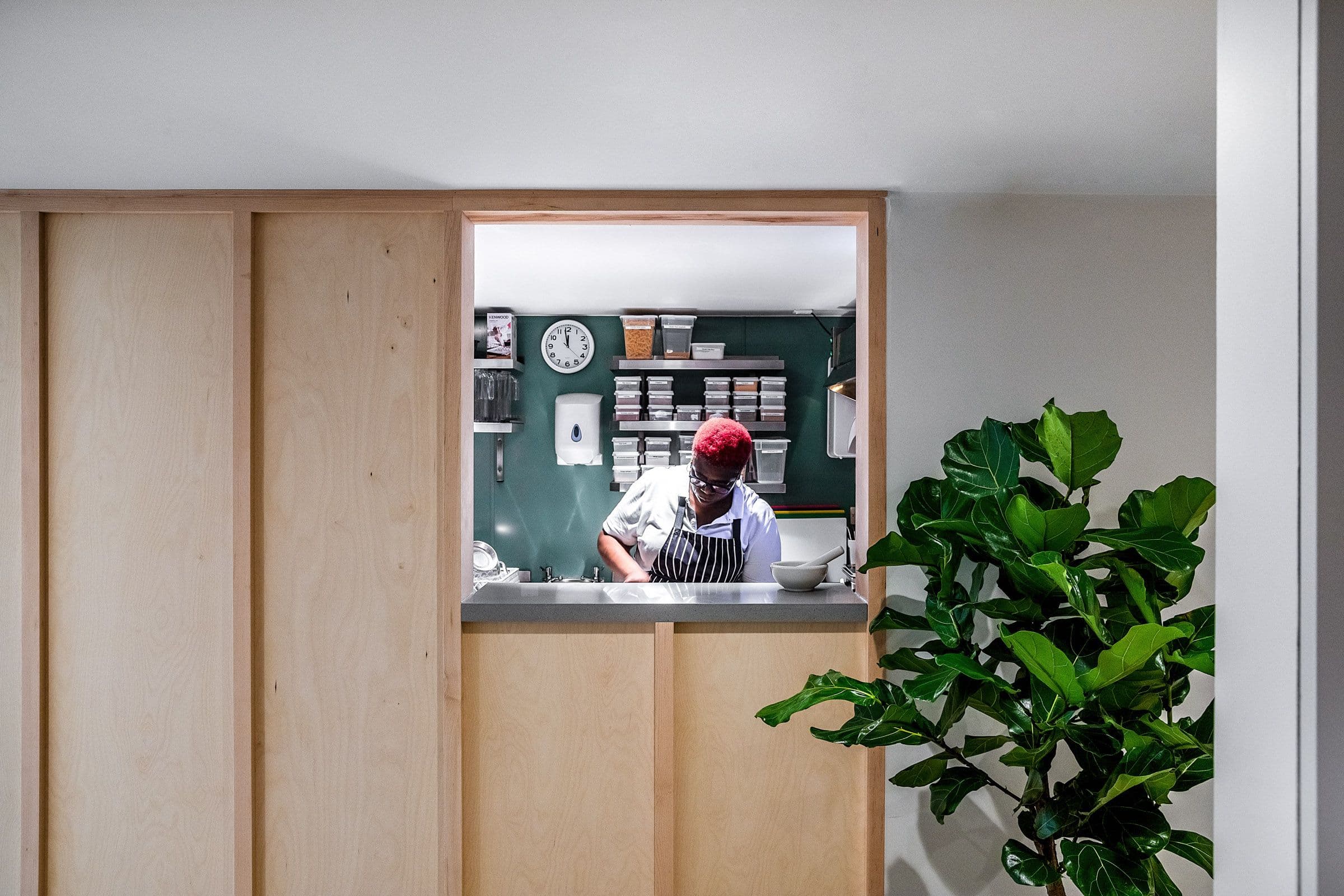
Our on-site chefs prepare fresh meals daily, following pediatric nutrition guidelines to ensure the highest quality.

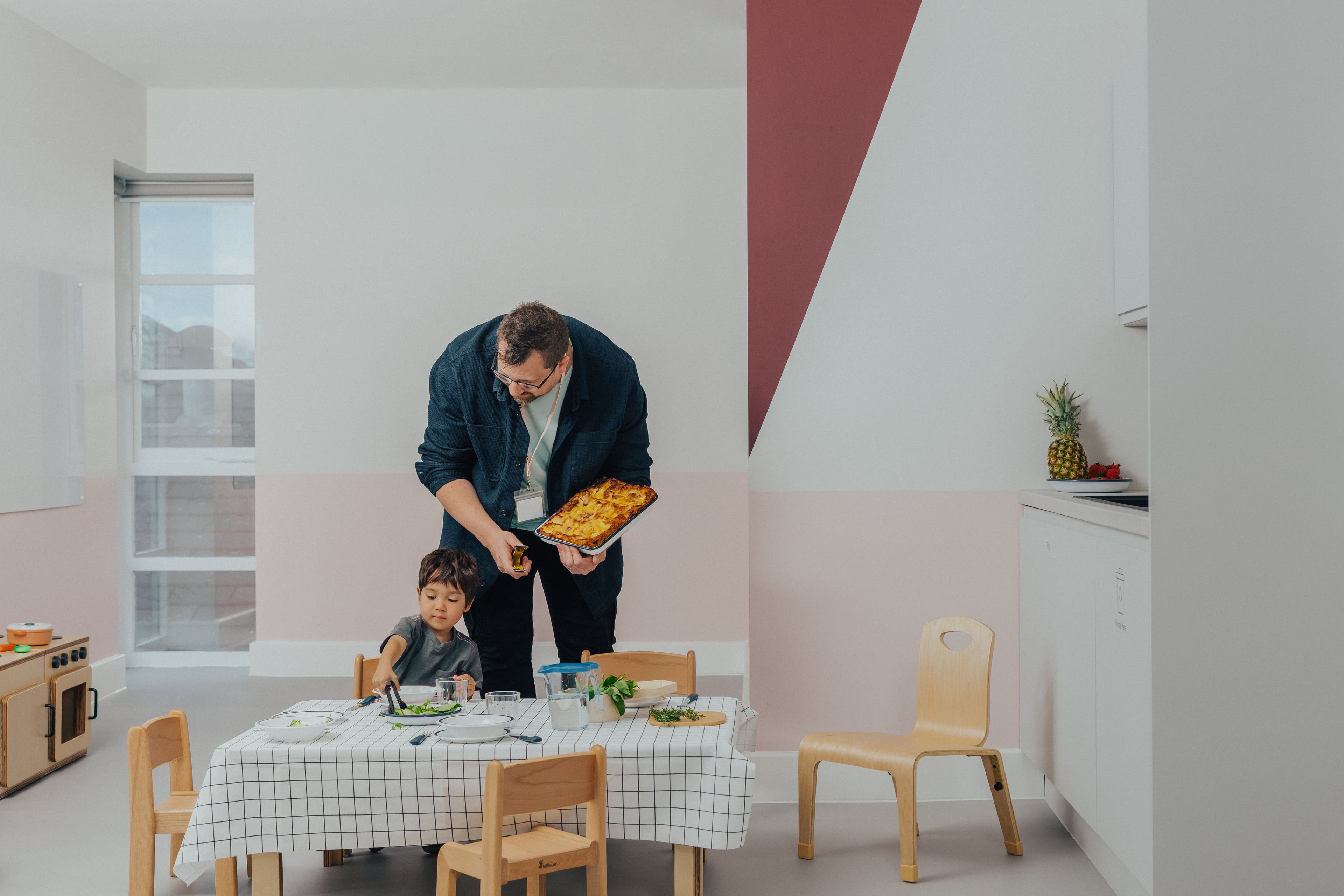
We serve breakfast, a two-course lunch, and a light dinner along with an am and pm snack - even our families have been known to ask for seconds!


A young child in a chef's hat and apron, covered in flour, mixes in a bowl.

Transitioning a child from milk and formula to eating solid foods marks an important milestone in their growth and development.

Solids readiness

Around six months, many infants begin developing the physical and cognitive skills needed to explore solid foods. This stage supports curiosity, movement, and early independence.


Approaches to starting solids

We support whichever approach to starting solids best fits your infant’s needs and your daily routine. Whether you choose baby-led weaning, spoon-feeding or a combination of both, our team will follow your home routine closely.

We encourage families to follow their pediatrician’s guidance and are here to support you every step of the way.

N's menu

The solids menu introduces new flavors and textures while maintaining balanced nutrition. Ingredients are carefully selected to support early exploration and confidence with food. Flip through our N Guide to starting solids and dive into this new chapter.

Latest from the N Kitchen

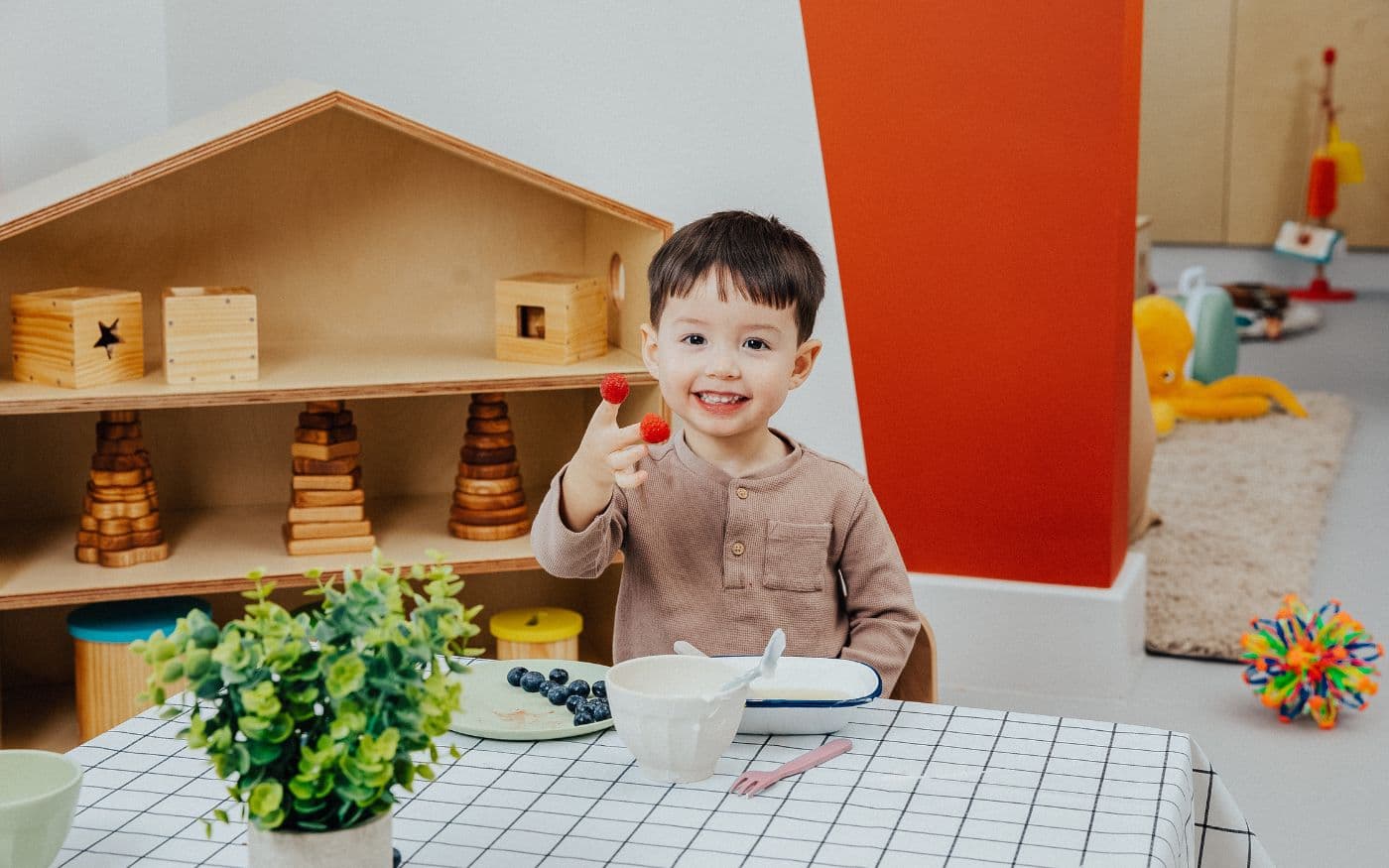
a young boy is sitting at a table holding a strawberry .

Everything you need to know

Below is a general overview of how we support children as they begin their solids journey. For personalized medical or dietary advice, families should always consult their pediatrician. This information is shared as general guidance and reflects widely accepted pediatric best practices.

How do I balance bottle feeding and introducing solid foods?

Early solid foods complement breastmilk and/or formula, which remain the main source of nutrition at first.

There’s no need to worry about the quantity they eat at this stage, as the most important focus is helping them explore new tastes and textures. It’s all about letting them learn how to move solid foods around their mouths and swallow them effectively.

It’s also helpful to be aware of certain foods to avoid. For instance, it is recommended to refrain from adding sugar or salt to your child’s food or cooking water. Salty foods are not suitable for young children as they can be hard on their kidneys, and sugar may lead to tooth decay.

Is there a specific order to introduce allergens, and how should they be repeated to identify a reaction?

When introducing solid foods to your infant at around six months old, it’s important to be mindful of foods that can trigger allergies. To help spot any reactions, introduce these foods one at a time and in small amounts.

If your child has an existing allergy, eczema, or if your family has a history of allergies, asthma, or hay fever, take extra care and speak with your pediatrician before introducing new foods.

Common allergens parents can consider introducing include:

  • Cow's milk products such as yogurt and cheese (whole cow's milk should not be offered as a drink until age 1)
  • Eggs: fully cooked, such as scrambled or hard-boiled
  • Wheat: found in flour, and so many breads, cereals, pastries, pasta
  • Tree Nuts: such as walnuts, almonds, cashews, and pistachios, served as smooth nut butters or finely ground.
  • Peanuts: served as thinned peanut butter or age-appropriate puffs (never whole peanuts)
  • Fish: Fully cooked finned fish, such as salmon, cod, or whitefish
  • Soy: Such as tofu, edamame, or other soy-based foods
  • Sesame: Often found in hummus (tahini) or served as finely ground seeds.

These foods can be introduced as part of your infant’s diet just like any other food. If tolerated, regularly including them in their diet may help reduce the risk of developing allergies.

While some children may outgrow allergies to milk or eggs, others may have lifelong allergies. Always check food labels carefully and avoid foods if you’re unsure whether they contain an allergen.


What textures and types of foods are appropriate at each stage?

6+ months: Start with smooth purées or soft finger foods. Focus on vegetables, fruits, and iron-rich foods such as sweet potato, carrots, peas, banana, avocado, berries, or iron-fortified infant cereal.
7-9 months: Introduce soft proteins and dairy as mashed, lumpy foods or soft finger foods. Options include flaky fish, well-cooked chicken, eggs, lentils, beans, cheese, and full-fat yogurt.
10-12 months: Offer a wide variety of family-style foods, served in small, chopped, and age-appropriate portions.

A note on the 12-month milestone: At around age 1, most children are ready to transition from breast milk or formula to whole cow’s milk as a primary drink. Water and milk are the best choices at this stage.

What should I do if my child refuses certain foods or shows picky eating tendencies?

  • Offer what you eat: Serve your child the same foods as the rest of the family, avoiding added salt or sugar. Check labels carefully, as foods with added sugars should be avoided before age 2.
  • Model healthy habits: What should I do if my baby refuses certain foods or shows picky eating tendencies? Children learn by example. Eat together whenever possible so your child sees you enjoying a variety of foods.
  • Keep it calm: If your child refuses a food, don’t force it. Gently remove the plate and try again another day. It can take 10–15 exposures before a child accepts a new food.
  • Mind timing: Try to avoid meals when your child is overtired or overly hungry, as this often leads to more refusal.
  • Minimize distractions: Screen-free meals help children focus on eating and connecting with family.
  • Avoid food as a reward: Using dessert as a prize can unintentionally make nutritious foods feel like a chore.
  • Experiment with preparation: A child may dislike a food prepared one way but enjoy it another. Try different cooking methods, always ensuring textures are soft enough to mash with gums.
  • Serve small portions: Start with small amounts and offer positive encouragement, even if your child only tastes a little.

How do I handle mealtime mess and keep it a positive experience?

Create a mealtime space that’s easy to clean, use child-friendly utensils and plates, and allow your child to explore food safely. Focus on enjoying the meal together, praising effort rather than perfection, and keeping the experience relaxed and positive.

When should I start introducing solid foods?

Most children are ready to begin solid foods around 6 months of age. Your child may be ready to start if they can:

  • Sit upright: Stay in a sitting position while holding their head steady.
  • Coordinate eyes, hands, and mouth: Look at food, pick it up, and bring it to their mouth.
  • Swallow food: Move food to the back of the throat to swallow rather than pushing it back out with the tongue.

Behaviors that are often mistaken for signs of readiness include:

  • Chewing on fists
  • Wanting extra milk feedings
  • Waking up during the night more than usual

These are normal infant behaviors and are not necessarily a sign of hunger or readiness for solid food.

For infants born prematurely, please consult your pediatrician for guidance on the best time to begin introducing solids.

How do I introduce textures, and how long does it take?

As your baby begins eating solid foods at around six months, it’s important to introduce new textures gradually. Moving from puréed to mashed, chopped, or finger foods helps develop chewing skills and allows them to safely manage food in their mouth.

Some babies take to textured foods right away, while others need more time to adjust. If your child prefers smoother foods at first, that’s okay. Just keep offering a variety of textures, and they’ll get there at their own pace.

How does N support introducing solids in the infant rooms?

Families choose the approach that works best for their child’s preferences, needs, and daily routine. The most common methods are baby-led weaning or spoon-feeding, though many families use a combination of both. Each approach encourages exploration of new tastes and textures while supporting fine motor and oral motor development.

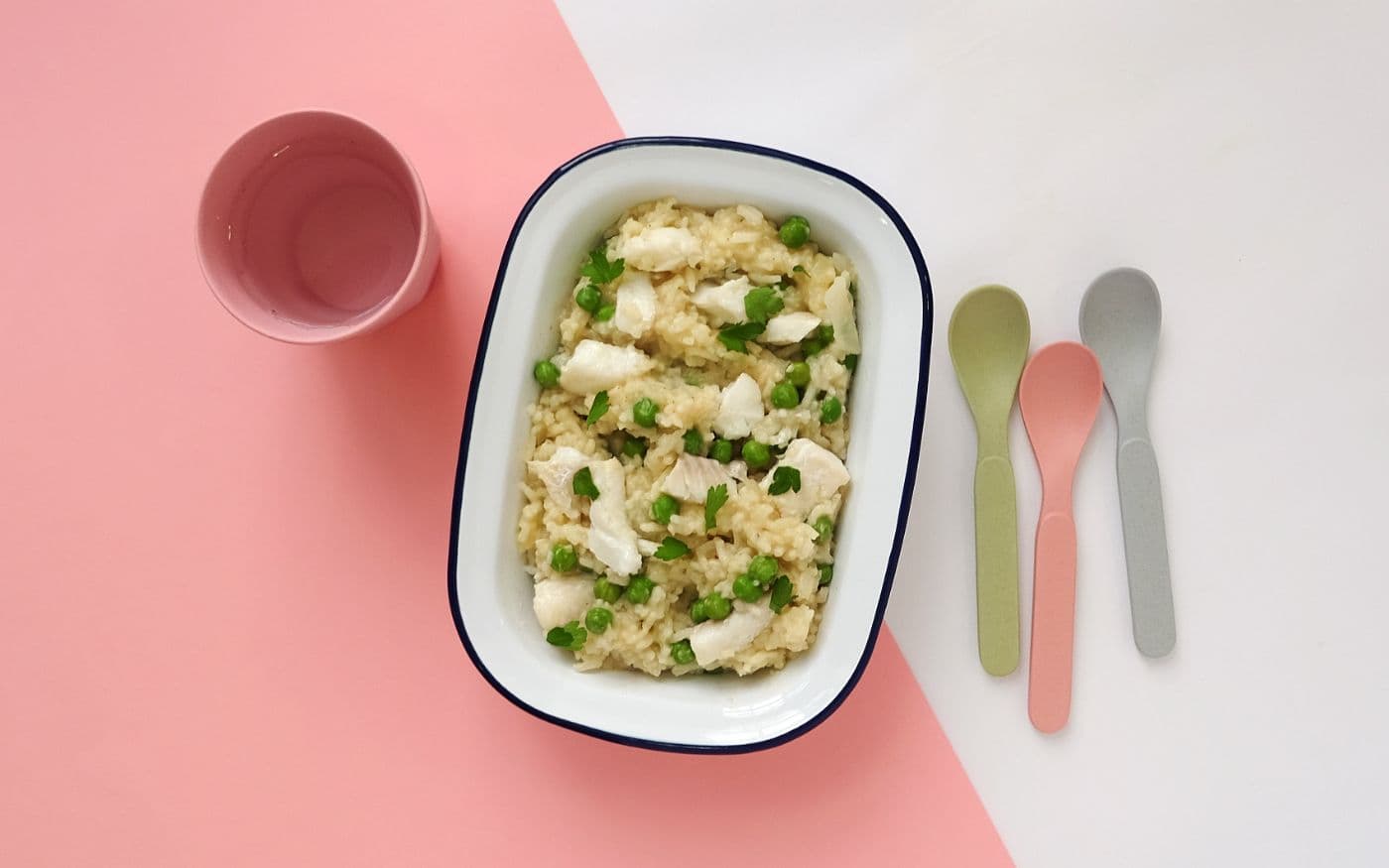
We also offer a First Foods menu that introduces children to flavors from our core menu using a thoughtful, age-appropriate approach to common allergens. Our educators work closely with families to follow the feeding plan used at home, ensuring consistency, comfort, and a smooth transition for each child.

Outdoor learning

Growing minds through outdoor discovery.

Learn more

The N day

Our daily activities

Learn more